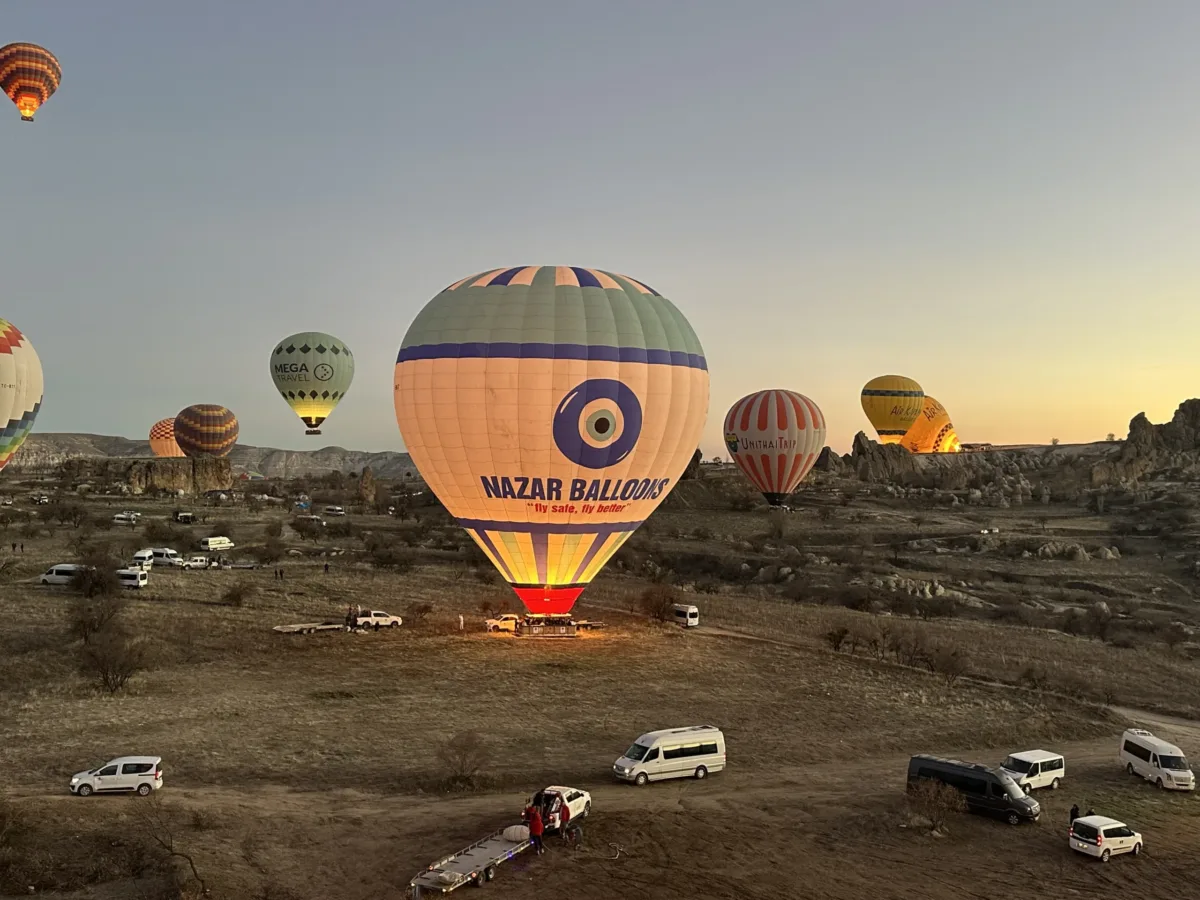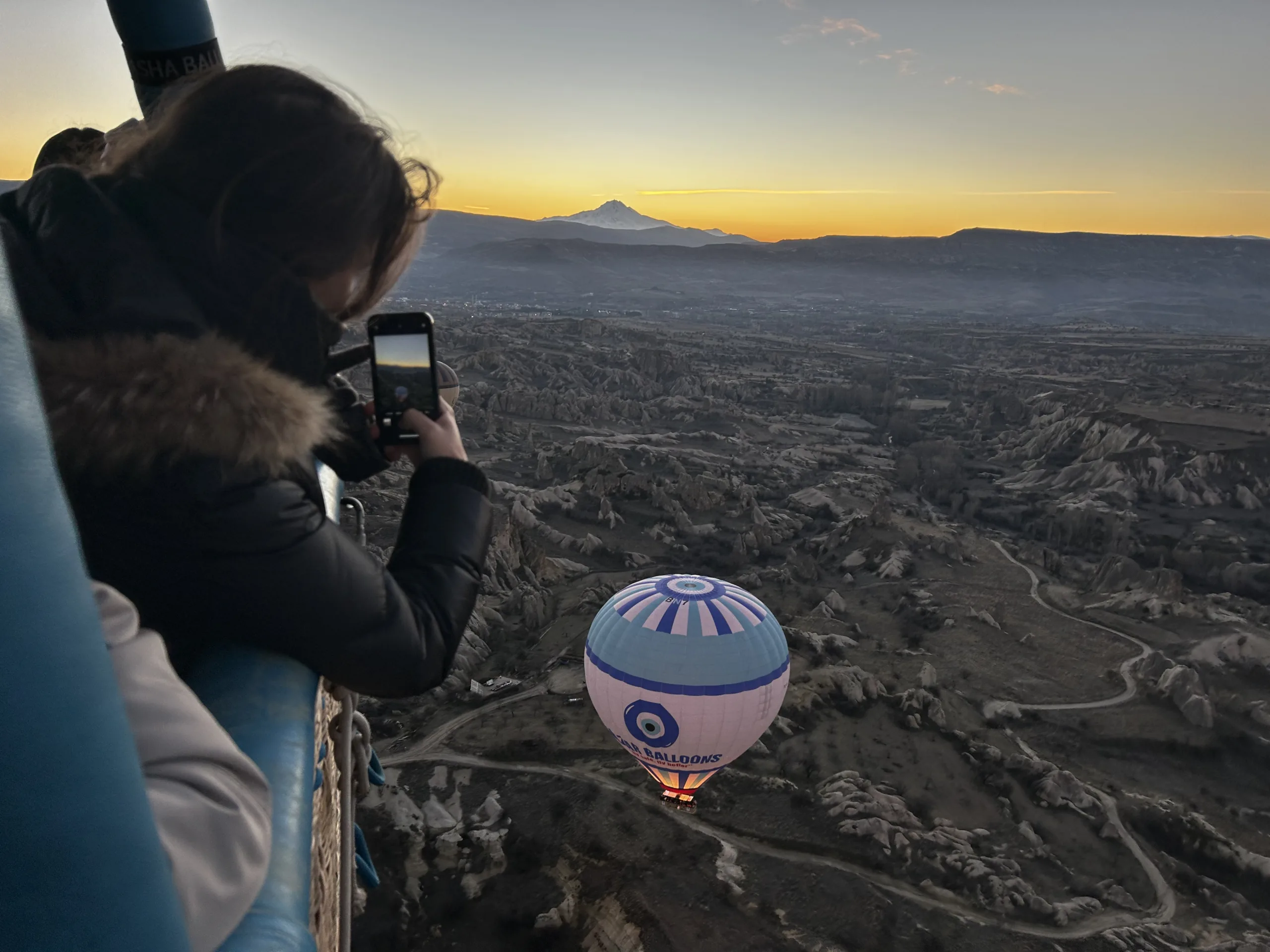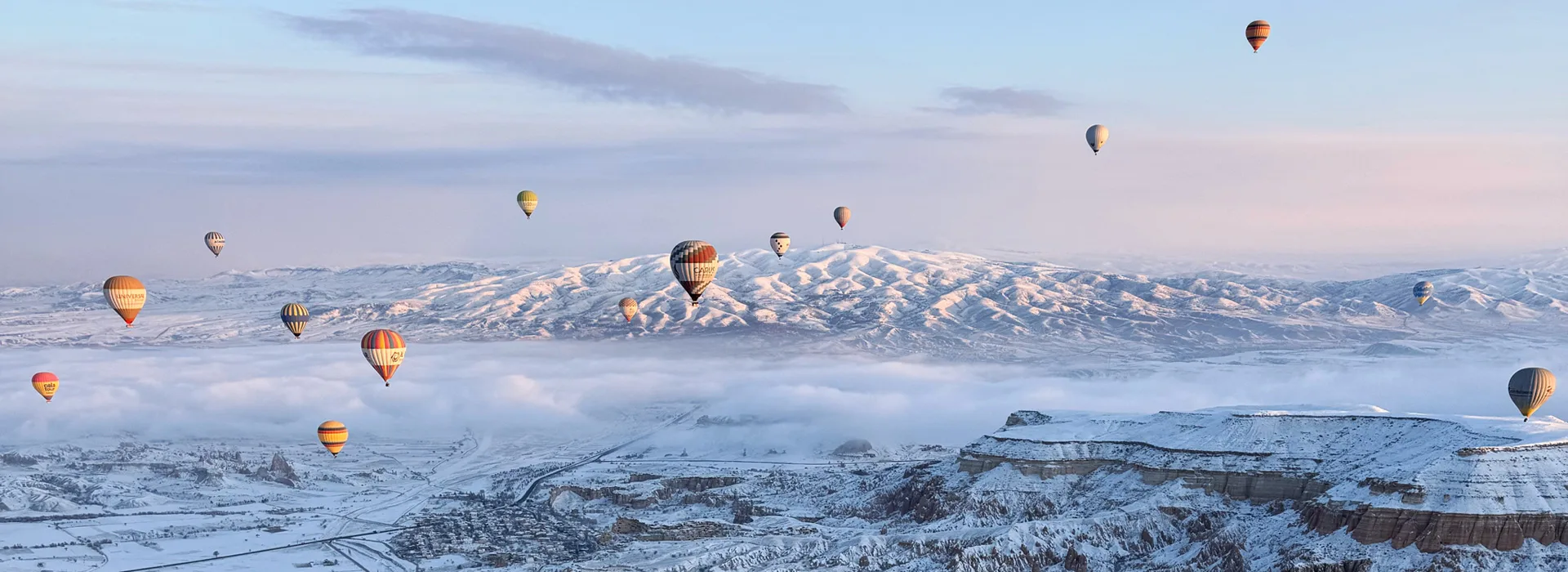
Hot air balloon flights are one of Cappadocia’s most distinctive experiences, but they are also highly dependent on weather and aviation conditions. Travellers planning hot air balloon flights in Cappadocia often ask how frequently flights operate, why cancellations happen, and which time of year offers the best chance of flying.
As a locally based balloon operator employing licensed pilots and operating flights in Cappadocia, we see first-hand how weather and aviation decisions affect daily flight approvals.
How Weather Affects Hot Air Balloon Flights in Cappadocia
Wind conditions and flight safety
Wind is the most critical factor for balloon flights. For a safe take-off and landing, wind speeds must remain within strict limits, particularly near the ground. Even if conditions appear calm from a hotel terrace, winds at different altitudes can make flying unsafe.
Pilots and aviation authorities assess wind conditions continuously, and flights are only approved when all safety thresholds are met. Even small changes in early-morning wind patterns can determine whether flights are authorised, which is why final decisions are sometimes made only minutes before take-off.
Visibility, cloud cover and early morning conditions
Balloon flights are scheduled for the early morning hours, around sunrise, when air conditions are usually most stable. However, low cloud cover, fog or reduced visibility can prevent take-off. Clear visibility is essential not only for passenger experience but also for safe navigation and coordination between multiple balloons in the air.
Temperature and seasonal differences
Temperature itself does not prevent flights, but it influences air density and overall atmospheric stability. Cold mornings, particularly in winter, can provide very stable air, while rapid temperature changes may affect wind behaviour.
Why Balloon Flights Can Be Cancelled
Civil aviation rules and daily flight permissions
Balloon flights in Cappadocia are regulated by the Turkish Civil Aviation Authority, which issues daily flight permissions based on meteorological assessments. Each morning, flight permissions are issued based on detailed meteorological data. Without official approval, no balloon is allowed to take off, regardless of demand or bookings.
Wind limits and last-minute decisions
Calm evenings can be followed by strong dawn winds. Conditions may change quickly just before sunrise, which is why cancellations sometimes occur at the last moment, even after passengers have been collected from their hotels. While frustrating, these decisions are always made in the interest of safety.
Why cancellations are about safety, not demand
Flight cancellations are never linked to passenger numbers or commercial considerations. Cappadocia is one of the world’s busiest ballooning regions, and flights operate only when conditions are confirmed as safe for everyone in the air.
Best Time of Year for Hot Air Balloon Flights in Cappadocia
Summer (June to September)
Summer generally offers the most stable flying conditions of the year. Mornings are typically clear, winds are often calm at take-off time, and flight permissions are granted regularly.
Temperatures are warmer, particularly from July to September, but early departures mean conditions remain manageable for most travellers.
While no season guarantees flying, summer is usually the most reliable period.
Spring and Autumn (April–May & October–November)
These months offer a balance between stable weather and fewer visitors. Conditions are often favourable, though changing seasonal wind patterns can occasionally result in cancellations.
Temperatures are moderate, and visibility is generally good, making this period popular with travellers combining balloon flights with guided Cappadocia tours and outdoor exploration.
Winter (December to March)
Winter flights can be visually exceptional, particularly after snowfall. However, winter also brings the highest risk of cancellation due to stronger regional wind systems and more frequent weather fronts.
During some winter periods, flights may not be authorised for several consecutive mornings. Travellers visiting at this time of year should allow additional flexibility and consider scheduling their balloon flight for the first available morning of their stay.
How Often Do Balloon Flights Actually Fly?
Average flight frequency across the year
Over the course of a year, balloon flights in Cappadocia operate on most days. However, no season offers a 100% guarantee. Weather patterns vary naturally, and some weeks are more favourable than others.
What Travellers Should Know Before Booking a Balloon Flight
Flexibility and minimum stay recommendations
To maximise the chance of flying, travellers are advised to stay at least two or three nights in Cappadocia. Booking the balloon flight for the first morning of your stay allows flexibility to reschedule if conditions are unsuitable.
What Happens If Your Balloon Flight Is Cancelled
If flights are not authorised due to weather or aviation restrictions, this applies to all balloon companies scheduled to fly that morning.
As the operating company, we offer the following options where possible:
Rescheduling to the next available morning, subject to flight availability
A 100% refund if rescheduling is not possible within your stay
Because flight permissions are issued daily and depend entirely on changing meteorological conditions, we strongly recommend allowing flexibility in your travel plans when booking balloon flight options in Cappadocia.